Why This Decade Gets Complicated
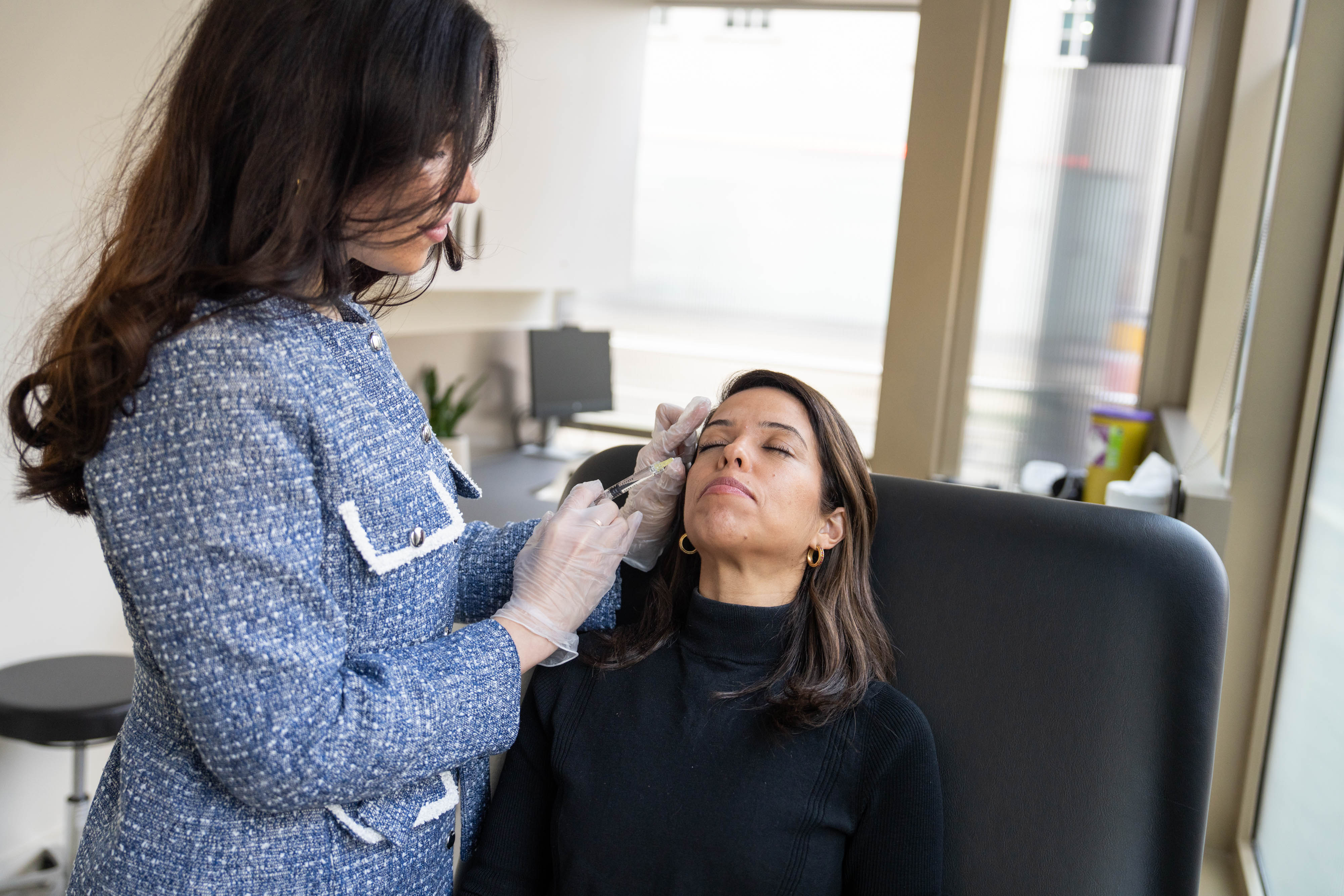
The 30s are the decade when aesthetic marketing gets most aggressive and when patients are most susceptible to it. Social media is full of 28-year-olds getting “baby Botox” and full-face makeovers; influencers normalise treatment cycles that offer no preventative benefit at that age. The actual clinical need in a typical 30-something is limited — but the pressure to be “treating” is high.
The honest clinical picture is that most people in their early 30s do not yet need preventative treatment; most in their late 30s benefit from conservative preventative treatment of one or two specific areas; and all of this is driven by your individual skin behaviour, not the decade.
Reasonable First Treatments in Your 30s
Early 30s (30–34)
- Consider if: genuinely etching lines beginning to show at rest
- Typical treatment: glabella only, or glabella + forehead at very conservative dose
- Frequency: once per cycle, maybe twice in the first year
- Most patients this age should not yet be treating
Mid 30s (35–37)
- Three-area treatment (forehead, glabella, crow’s feet) becomes clinically reasonable for most patients
- Typical first treatment uses 30–40 units at conservative dosing
- Complimentary 2-week review is especially important in this age range to calibrate the first cycle
- Most patients settle into an every-4-month rhythm
Late 30s (38–39)
- Three-area treatment + occasional secondary areas (masseter for bruxism, gummy smile)
- Skin quality treatments (microneedling, chemical peels) often begin alongside
- Some patients add lip filler, tear-trough filler, or starter Profhilo in this phase
What to Avoid in Your 30s
- Full-face filler — structural volume loss is usually minimal in this decade; premature filler often overfills and distorts
- Permanent fillers — no longer used at reputable UK clinics; irreversible and can cause decades-later complications
- Multiple-clinic treatment — aesthetic treatment benefits from a consistent clinician who sees your progression. Clinic-hopping for “deals” loses the feedback loop
- Chasing influencer looks — lip shapes, cheek projection, and jawline definition that look good on camera often look over-treated in real life
What’s Often Worth Investing in Instead
- SPF 50+ every day — the single highest-ROI anti-aging intervention in your 30s
- Prescription retinoid — nightly, if tolerated; the most-studied topical for collagen preservation
- Medical-grade skincare — tyrosinase inhibitors, vitamin C, niacinamide
- Sleep and stress management — both affect skin more than most people realise
- Vision correction — uncorrected long-sightedness causes chronic squinting that creates the very crow’s feet you want to prevent
The Cost of 30s Treatment, Realistically
- Three-area anti-wrinkle every 4 months: £450 × 3 = £1,350/year
- Prescription skincare: ~£40/month = £480/year
- Occasional skin rejuvenation course (every 2 years): ~£400/year amortised
- Total realistic annual aesthetic spend for active treatment: £2,200
If that number makes you wince, you are probably not yet ready. There is no pressure to be on this rhythm — many patients start at 40+, and their outcomes are clinically comparable.
Bottom Line
Your 30s are a decade of skin fundamentals — SPF, retinoid, sleep, vision correction, occasional conservative injectable treatment if clinically indicated. The patients who age best are usually the ones who did less, not more.